Book
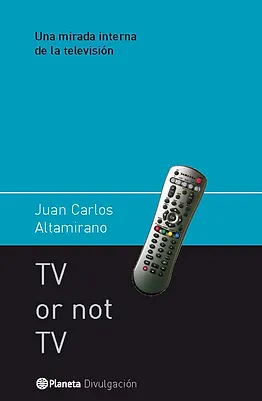
TV or not TV
By Juan carlos Altamirano
More Details
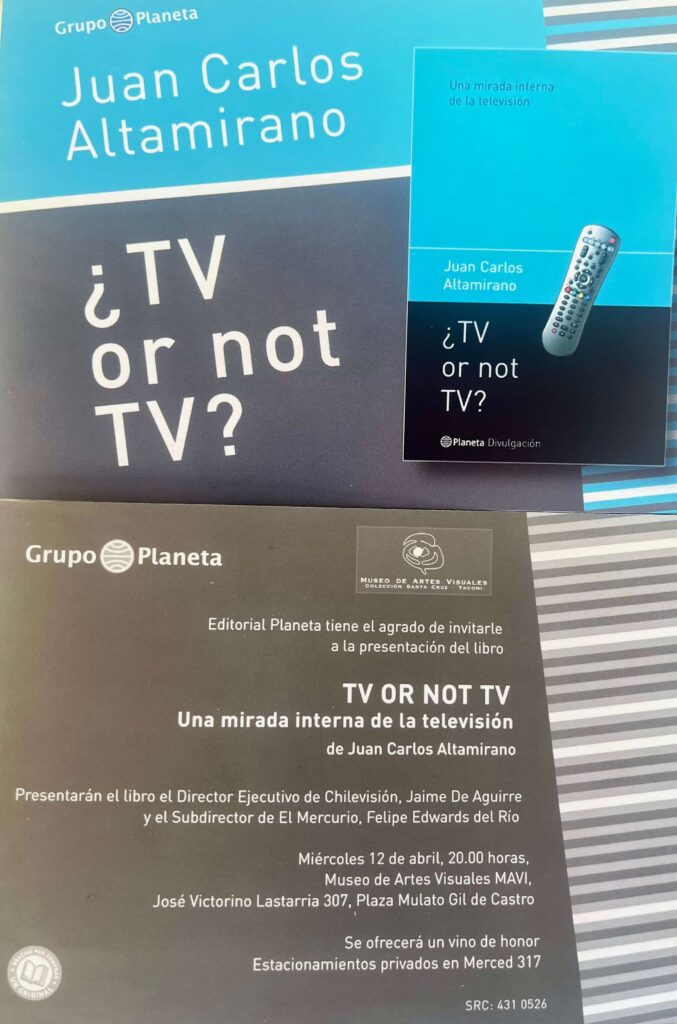
«Ha pasado más de una década desde aquella publicación, sin embargo, creo que los conceptos del libro continúan vigentes, a pesar de los cambios sociales, culturales y mediáticos que hemos vivido. Es más, las proyecciones que hice en esos años se han cumplido a cabalidad.
La presente edición mantiene un aspecto original fundamental: confluir y complementar el análisis teórico sobre los medios, con la práctica real de hacer televisión y la creación de contenidos audiovisuales/digitales. En general, la televisión y los medios se analizan desde una perspectiva teórica de acuerdo a diferentes escuelas sociológicas, sin embargo, estas no corresponden necesariamente a la realidad interna, de cómo funciona la producción de contenidos y la industria mediática. Al mismo tiempo, esta edición sintetiza la historia del Arte y los medios de comunicación, para comprender de modo integral cómo funcionan el lenguaje audiovisual, la televisión y las redes sociales.
La pregunta que intentamos responder, es porqué el lenguaje audiovisual, especialmente el cine y la TV, tienen el enorme impacto cultural e ideológico en el mundo actual.»
«The original version of this edition was published by Editorial Planeta in 2006, under the name TV or no TV? A look inside the television.
More than a decade has passed since that publication, however, I believe that the concepts of the book are still valid, despite the social, cultural and media changes that we have experienced. What’s more, the projections I made in those years have been fully fulfilled.
This edition maintains a fundamental original aspect: to unite and complement the theoretical analysis of the media, with the real practice of making television and the creation of audiovisual/digital content. In general, television and the media are analyzed from a theoretical perspective according to different sociological schools, however, these do not necessarily correspond to the internal reality of how content production and the media industry work. At the same time, this edition synthesizes the history of Art and the media, to comprehensively understand how audiovisual language, television and social networks work.
The question we are trying to answer is why audiovisual language, especially cinema and TV, have such an enormous cultural and ideological impact in today’s world.»
More Reads
Así se mueve Don Francisco
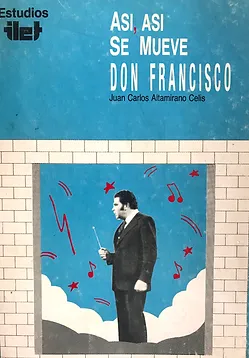
«Sábados Gigantes, tanto en su versión nacional, como internacional, es el show de más larga duración en la historia de la televisión Latina. No solo logró tener récords de audiencia, además, tuvo un profundo impacto en la cultura popular chilena y latinoamericana. En este libro se entregan las claves para entender su éxito e impacto mediático. Si bien han transcurrido décadas de su publicación, la metodología, y las prácticas de comunicación continúan plenamente vigentes.»
«Sábados Gigantes, both in its national and international versions, is the longest-running show in the history of Latin American television. Not only did it achieve audience records, it also had a profound impact on Chilean and Latin American popular culture. This book provides the keys to understanding its success and media impact. Although decades have passed since its publication, the methodology and communication practices are still fully valid.»
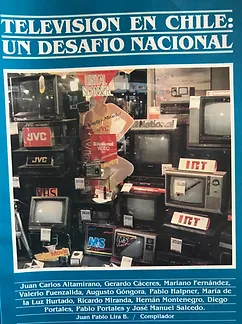
«El Desafío de la Televisión Chilena, es un ensayo escrito en el contexto previo al regreso de la democracia en 1990. Analiza la situación de la televisión bajo la dictadura, y las diferentes visiones que existían en cuanto al desarrollo de la televisión en Chile, en especial, la polémica de introducir la televisión privada como tercer Canal. Sobre todo, aquí proponemos los cambios que deberían introducirse, especialmente en Televisión Nacional de Chile, para transformarla en un medio que represente y difunda los valores democráticos. Gran parte de estas propuestas fueron hecha realidad en la transición a la democracia, convirtiendo a TVN en el canal líder de la televisión chilena por más de 14 años.
The Challenge of Chilean Television was written in the context prior to the return of democracy in 1990. It analyzes the situation of television under the dictatorship, and the different visions that existed regarding the development of television in Chile, especially, the controversy of introducing private television as a third channel. Above all, we propose the changes that should be introduced, especially in Televisión Nacional de Chile, to transform it into a channel that represents and disseminates democratic values. A large part of these proposals came true in the transition to democracy, turning TVN into the leading Chilean television channel for more than 14 years.